Blazer-Guide | Finding a high-quality blazer!
A good blazer can completely transform an outfit — adding elegance, structure, and that effortless “put-together” vibe we all love. Whether you wear blazers for work, everyday chic, or special occasions, choosing the right one makes all the difference. Over the past few years, I’ve learned quite a lot about suiting, tailoring, and materials, and today I want to share the key things I always look for when shopping for a beautiful, high-quality blazer.
This guide isn’t meant to feel strict or intimidating — think of it more as a helpful checklist from a friend who loves blazers and wants to share what she knows.
And with that being said, let’s dive in!
1. Choose Natural Materials
If you’ve been following me for a while, you already know how much I value natural fibers. They’re breathable and incredibly comfortable against the skin, they age beautifully over time, and they offer a timeless, high-end feel — exactly what you want from a quality blazer.
Different natural fibers have different strengths:
Wool: A classic suiting material. It can be fine and elegant for formal occasions or thicker and warmer in flannel weaves for winter.
Cotton: More casual and easy to wear. It wrinkles more than wool but feels wonderfully soft and light.
Linen: Perfect for summer — lightweight, breathable, and quick-drying. It may crease and feel slightly more relaxed, but that’s exactly what makes it so effortless and comfortable in warm weather.
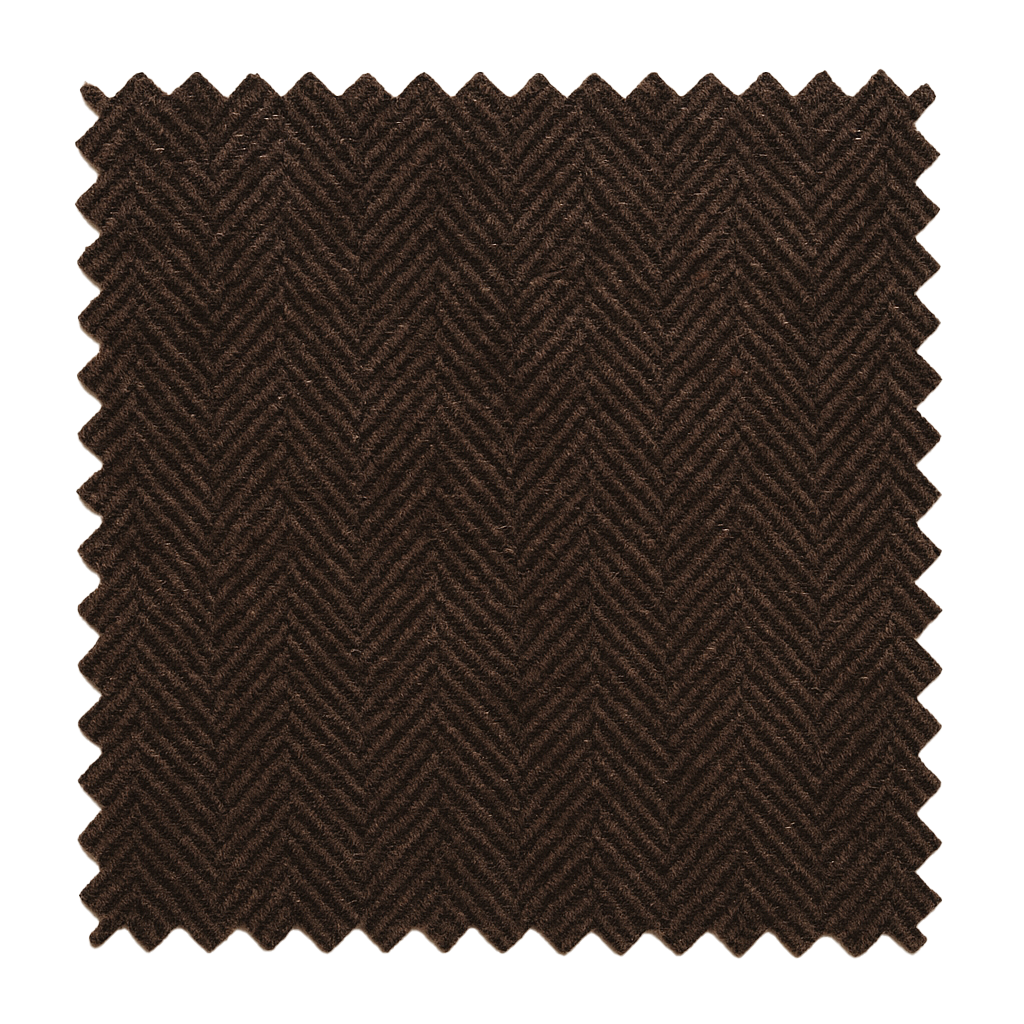
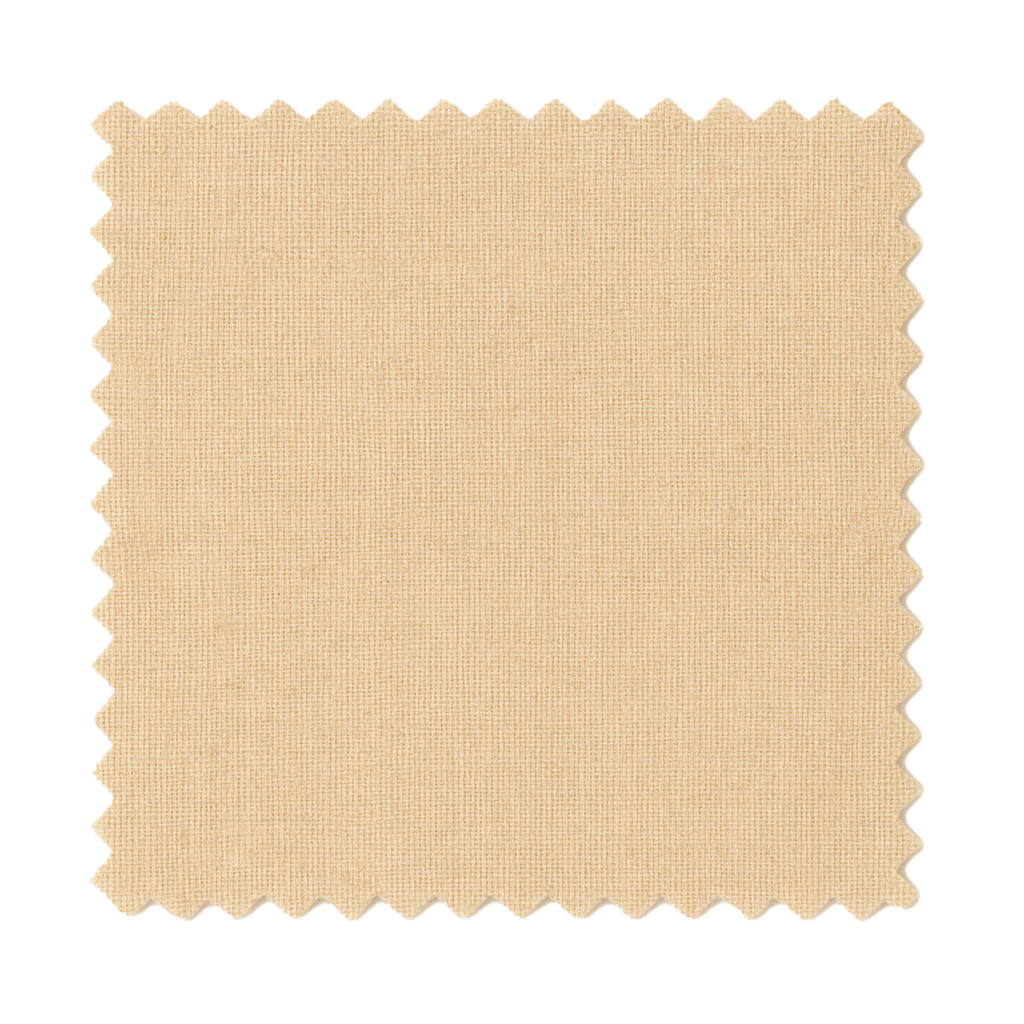
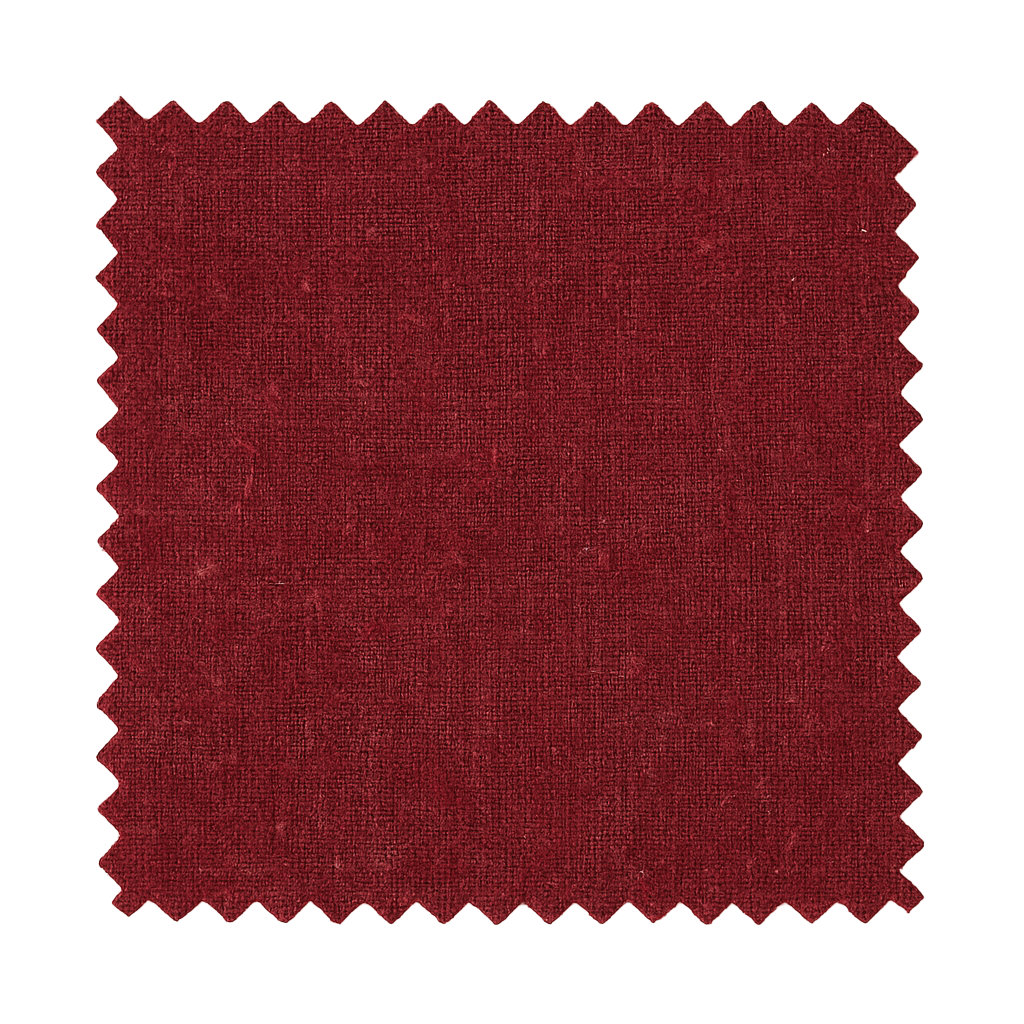
Natural fibers also manage moisture much better than synthetics. (Fun fact: wool can absorb up to a third of its own weight in liquid without feeling wet!) Overall, these materials simply make a blazer feel better on the body — especially when you wear it for long hours.
2. Look for a Neat Interior Construction
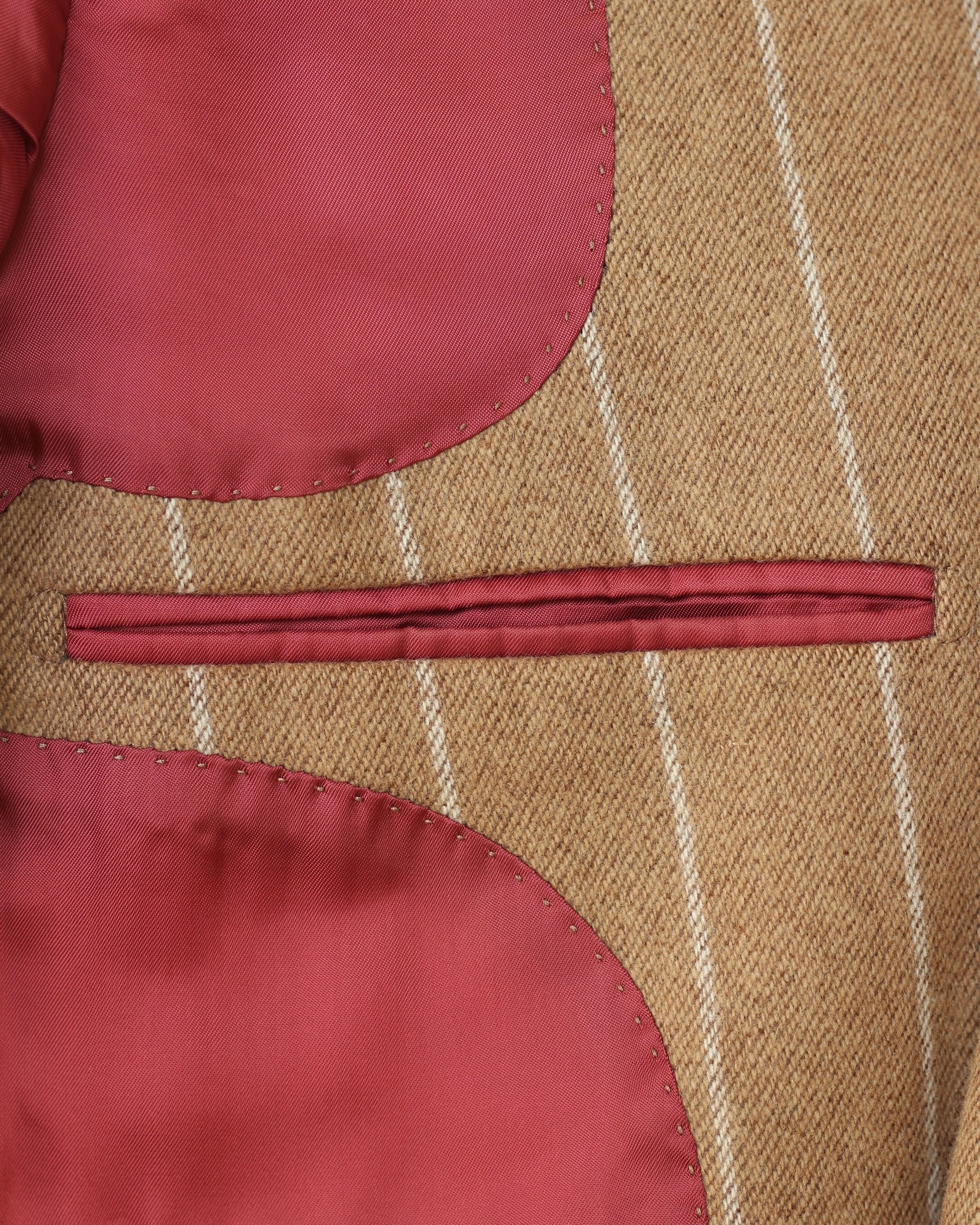
Quality isn’t only visible on the outside — the inside of the blazer tells another important story about craftsmanship. When you open the jacket, the seams, lining, and finishing should look clean, tidy, and intentional.
Things to look for:
-No loose or messy threads
-Straight, even stitching
-A neatly attached lining
-Finished seam edges, even in unlined jackets
When the inside construction looks just as thoughtful as the exterior, that’s a very good sign that the blazer was made with care.
3. Check for Working Buttons and Pockets
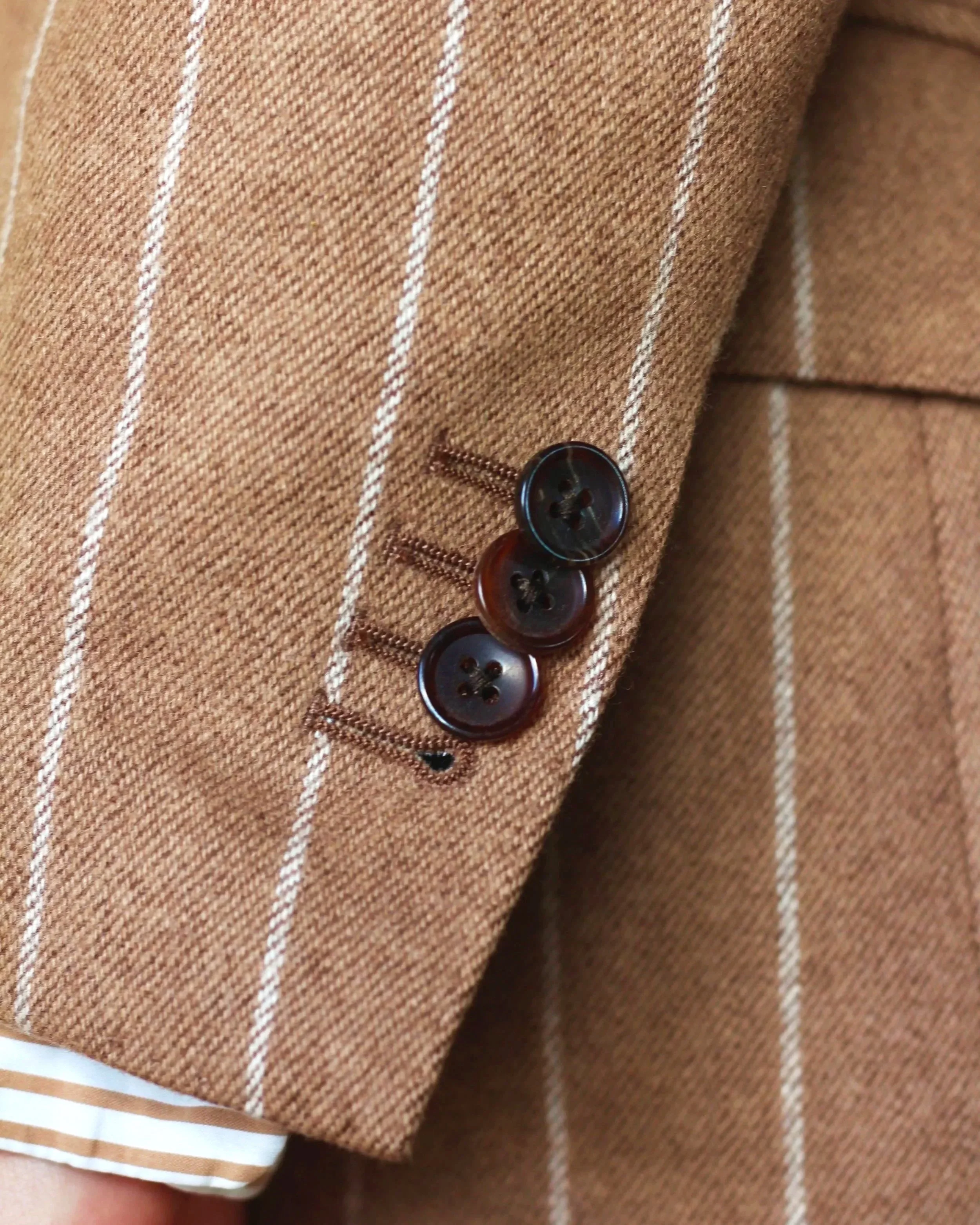
This is a small detail, but it says a lot about craftsmanship. Many affordable blazers have non-functional sleeve buttons to save time and labor during production. Functional buttonholes, on the other hand, require more skill and effort — which is why they’re considered a hallmark of higher quality tailoring.
The same idea applies to pockets. Even if they’re sewn shut when new (which is normal), it’s great when they’re real pockets and not just decorative flaps.
Are functional sleeve buttons a must? Not necessarily. You can absolutely find high-quality blazers without them. But when they are functional, it’s usually a lovely extra.
4. Pay Attention to the Small Details
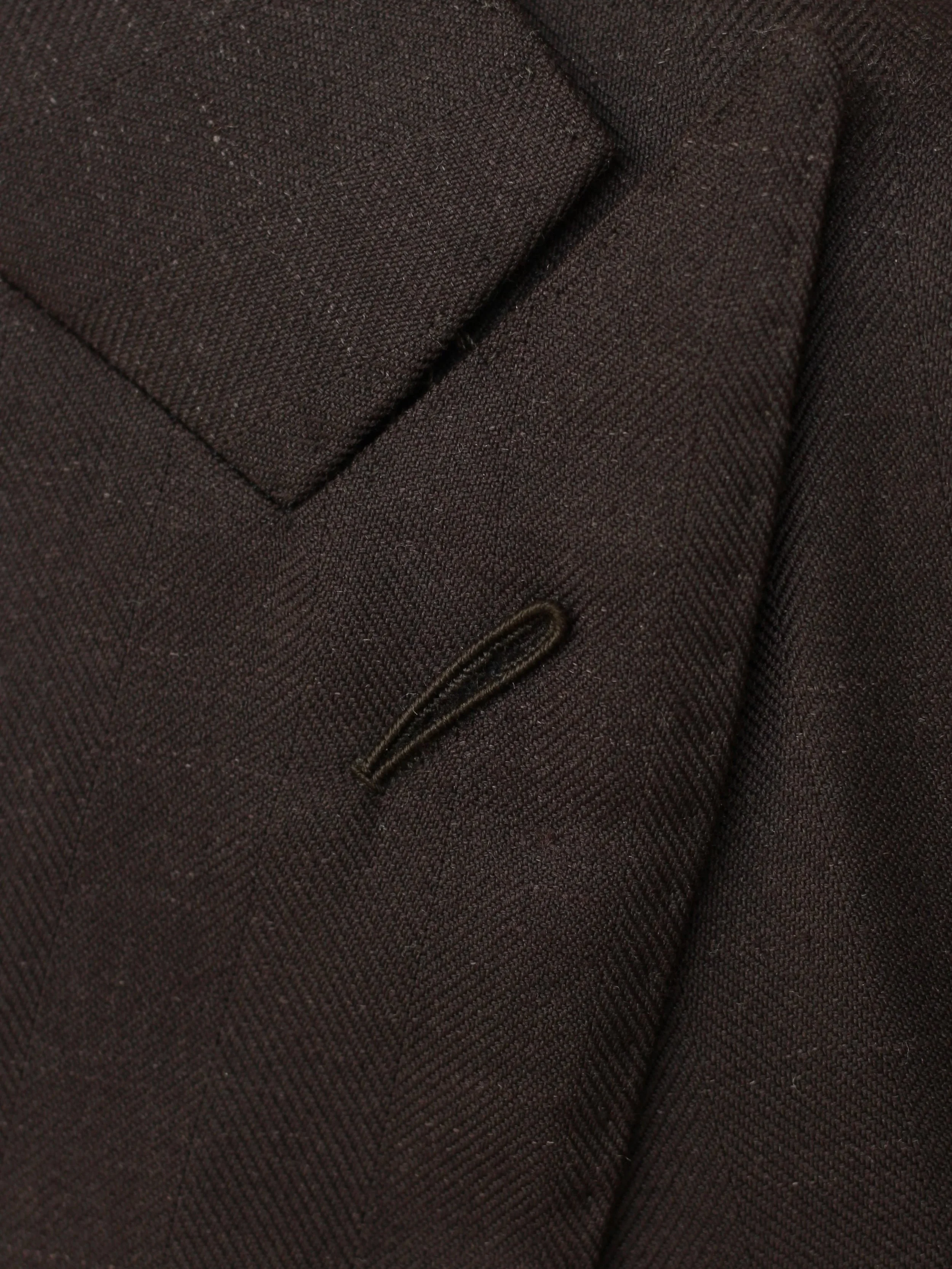
Details are where good tailoring truly shines. Thoughtful elements often indicate that someone spent time designing and constructing the blazer properly.
Look out for:
-Multiple inside pockets
-A hand-stitched buttonhole on the lapel
-Fabric mill labels
-Pleated shoulders (require hand stitching)
These details aren’t essential, and not every great blazer will have all of them — but they’re little hints that care and craftsmanship were involved.
5. Pattern Matching
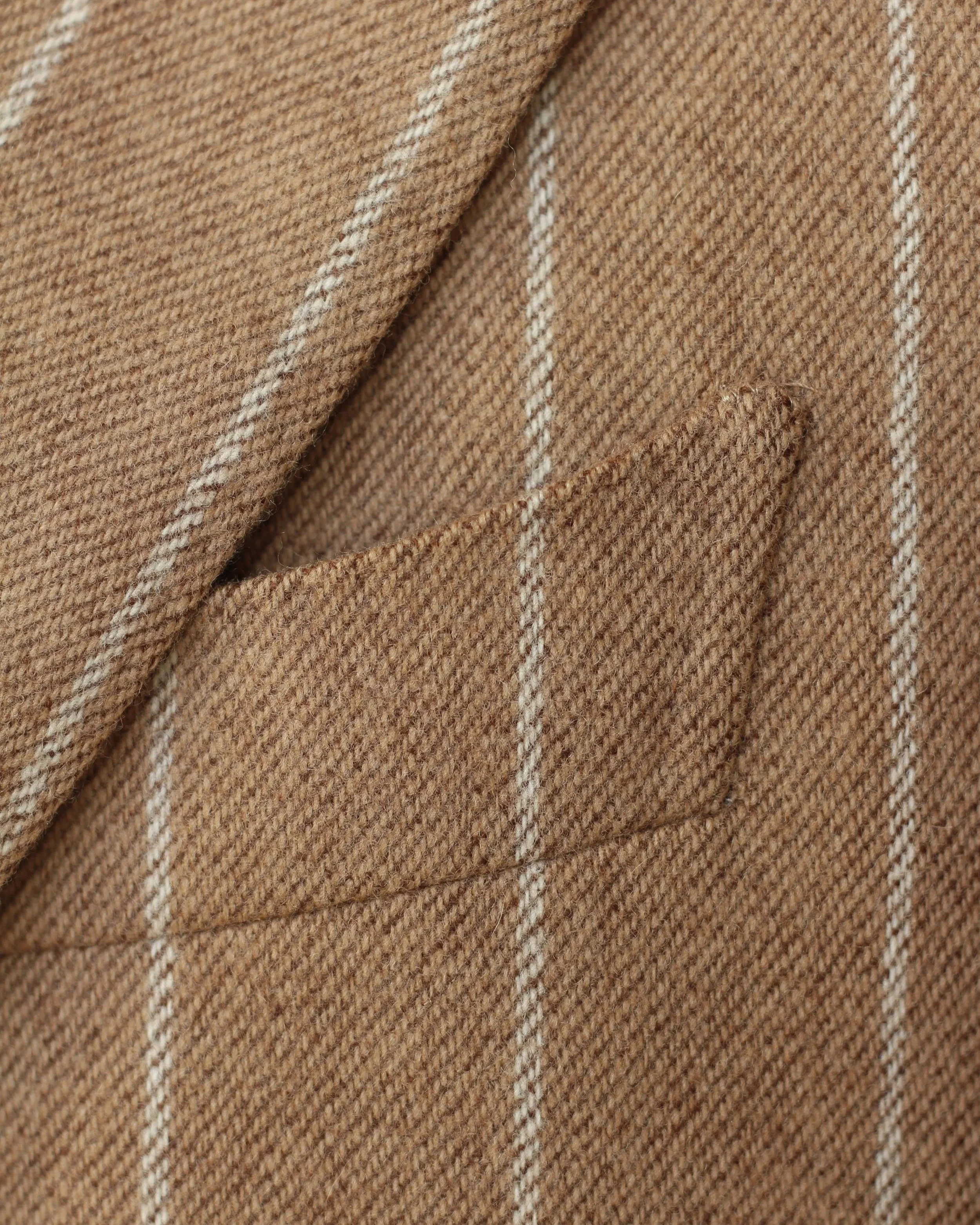
If your blazer has stripes, checks, or any noticeable pattern, see if the lines align cleanly at the seams. Pattern matching is difficult and requires extra fabric and precision, which is why it’s often skipped on cheaper pieces.
When stripes line up at the shoulders, across the back, or along the pockets, it’s usually a sign that the manufacturer took the time to do it right. As someone who has pattern-matched garments before, I can promise you: it’s most definitely worth the extra effort and money.
How your Tailored Blazer Should Fit
If you’re going for a fitted blazer (not oversized), these four points help determine whether it fits well:
Shoulders: The blazer should end exactly at your natural shoulder line. If it hangs beyond that point, it will look too big.
Waist: The blazer should shape your waist without squeezing you. A tiny bit of tension at the button is fine, but you should still feel comfortable and able to move.
Sleeves: Sleeves should hit right at the wrist — not covering your hands. Ideally, your shirt cuff should peek out slightly, which adds elegance and provides a nice visual balance.
Length: There’s no one perfect blazer length for everyone. Choose the length that best complements your proportions. If you want your legs to appear longer, a slightly shorter blazer can help; if your upper body is shorter, try one that’s a bit longer. Women have far more flexibility here than men, so trust your eye and comfort. (However, the blazer should be long enough to cover your bottom, so be careful not to go too short.)
A Quick Note on Finding the Perfect Fit:
If you find a blazer you absolutely love, but it isn’t fitting perfectly, don’t worry. Tailors can work wonders — shortening sleeves, nipping in the waist, adjusting the length. A few small alterations can make a blazer look like it was made just for you, so don’t be scared if the blazer is not quite there yet. (Please note that if the blazer is significantly too large or too small, a tailor may not be able to alter it to your satisfaction. When the required adjustments are too extensive, it’s usually better to look for a different blazer rather than attempting major alterations.)
Final Thoughts
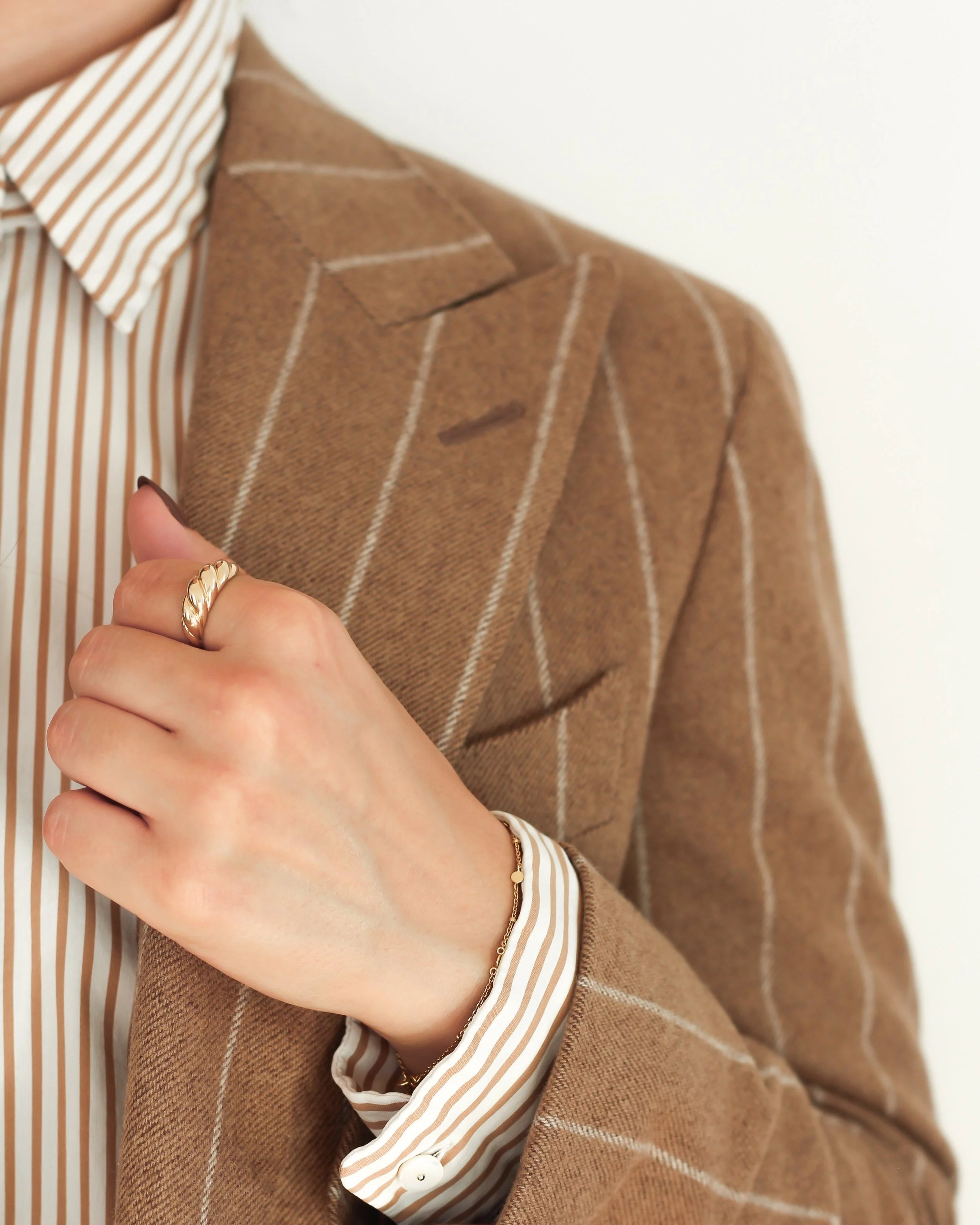
A great blazer can be a wonderful long-term wardrobe companion, and choosing one thoughtfully is absolutely worth it. Once you know what to look for — materials, construction, details, and fit — shopping becomes easier and a lot more fun.
I hope this guide supports you in finding a blazer you’ll treasure and wear for many years to come. Take your time, consider your options carefully, and trust that you’ll find the one that feels just right.